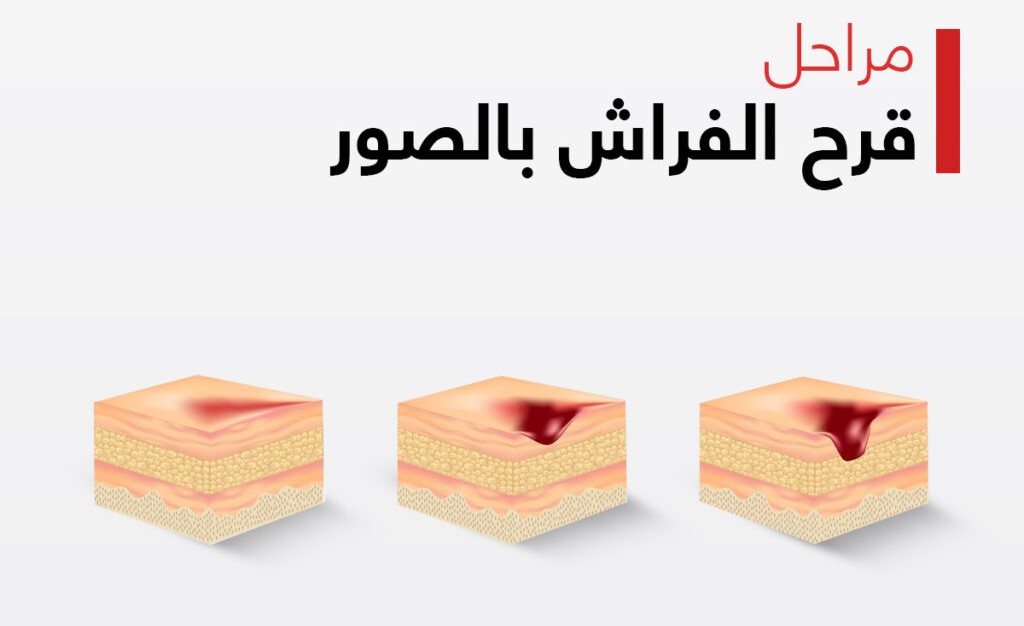
5 Early Signs of Pressure Ulcers (Bedsores) and What to Do
Pressure ulcers are injuries to the skin and underlying tissues that occur due to continuous pressure on a specific area of the body, especially in bedridden patients or wheelchair users. The problem is that they may start very subtly, but ignoring the early signs can cause them to progress into deep ulcers that are difficult to treat. In this article, you will learn about… five early signs of pressure ulcerswhat to do immediately to prevent them from worsening.
Redness that does not fade after relieving pressure. The sign: Appearance of noticeable redness in a specific area (such as the sacrum/lower back, heel, hip, or shoulder) that persists even after changing the patient’s position for 15–30 minutes. How to act immediately: Stop pressure on the area immediately: change position or use a pressure-relieving cushion/mattress pad. Monitor the redness: if it doesn’t fade or starts to worsen within 24 hours, treat it as a serious warning sign. Avoid massaging the reddened area: massaging can further damage the tissues in the early stage. Keep the skin completely clean and dry.
A change in skin color (especially in people with darker skin tones). The sign: Instead of redness, you may notice a color change such as a patch that is darker or lighter than the surrounding skin, or a “shiny” or “bluish” appearance. How to act immediately: Check the area daily under good lighting (or twice daily for high-risk patients). Feel the skin with your hand: if the area feels “different” in appearance or texture compared to the surrounding skin, treat it as an early warning sign. Relieve pressure using the same steps as in the first sign.
3. Unusual warmth or coolness in the same area. The sign: An area that feels warmer than the surrounding skin (early inflammation) or sometimes cooler (reduced blood flow). How to act immediately: Remove pressure from the area and change position. Make sure there is no friction or any wrinkles in the sheets/clothing that could be causing the problem. Monitor it over the next day: persistent temperature change along with any color change means it needs medical/nursing assessment.
4. Pain, itching, or a burning sensation in a specific area. The sign: The patient complains of pain, burning, or itching in a specific spot even if the skin still looks relatively normal. (This is very important because pain can appear before an ulcer becomes visible.) How to act immediately: Treat the complaint as an early warning sign and start the prevention routine immediately. Change position and remove any direct pressure. Inspect the skin carefully and look for redness, color change, or warmth. If the pain increases or persists for two days despite relieving pressure, consult a healthcare professional.
5.Swelling, firmness, or “hardening” of the skin (induration). The sign: The area becomes slightly swollen, feels firmer than normal, or feels “boggy/spongy” compared to the surrounding skin. How to act immediately: Stop all pressure on the area as much as possible. Use a supportive surface (an air mattress/pressure-relieving mattress if available). Monitor how it progresses over the next 24–48 hours. If blisters, skin peeling, or a superficial wound appears, this means the condition has progressed and needs faster intervention.
What should you do as a quick plan to prevent pressure ulcers from worsening? Here are concise, practical, and effective steps: 1.Reposition regularly. Bedridden patient: usually every 2 hr (and it may vary depending on the patient’s condition and the mattress). Wheelchair user: relieve pressure every 15-30 min (by leaning/weight shifting as able). Reduce moisture and friction. Address any moisture immediately (sweat/urine/stool). Use a barrier cream when moisture is recurrent. Avoid dragging the patient in bed (it causes shear); use safe transfer techniques. 3.Check the skin daily. Focus on: the sacrum, hips, heels, elbows, shoulders, back of the head, and ankles. 4. Support nutrition and fluids. Poor nutrition and dehydration weaken the skin and slow recovery. If possible: Adequate protein + adequate fluids (based on the patient’s medical condition).
When does the condition become serious and require immediate medical attention? Seek medical/nursing assessment if any of the following occurs: Blisters, ulceration, open skin, or discharge. An unusual odor, or marked warmth with increasing pain. Redness that does not improve within 24–48 hours despite relieving pressure. General signs of infection: fever/chills/severe fatigue.